

I. Introduction
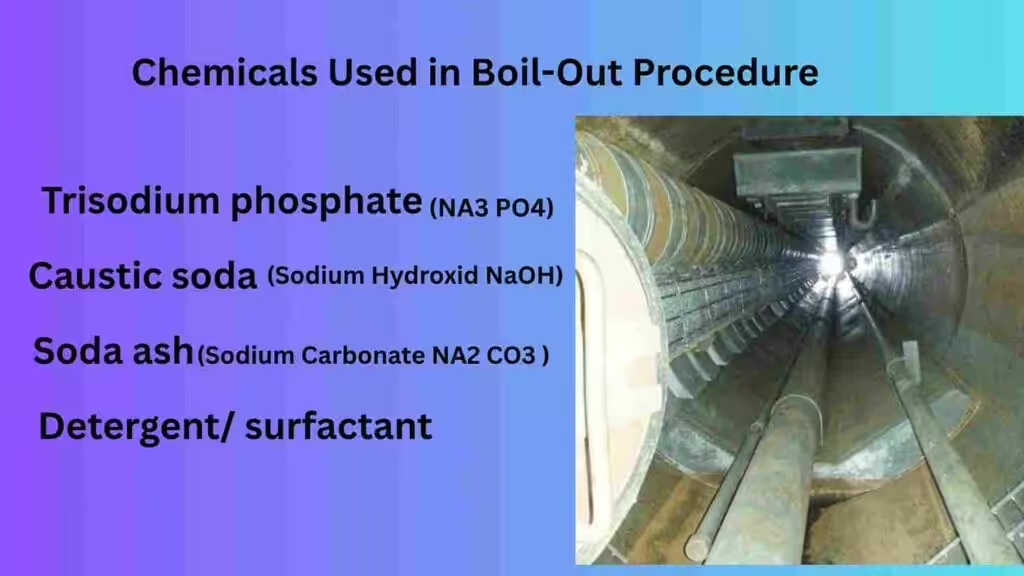
- Definition of Boiler Boil-Out Procedure:
A chemical cleaning process is carried out during initial boiler commissioning to remove internal contaminants from boiler tubes and drum surfaces. - Purpose of Boil-Out:
- Eliminates oil and grease from manufacturing and assembly
- Removes mill scale and rust from metal surfaces
- Cleans fabrication debris and protective coatings
- Ensures internal surfaces are free from impurities before operation
- Importance During New Boiler Commissioning:
- Prepares boiler for safe and efficient startup
- Prevents early-stage tube damage and fouling
- Ensures proper water chemistry control from the beginning
- Essential step before passivation and normal operation
- Impact on Boiler Efficiency, Safety, and Lifespan:
- Improves heat transfer efficiency by providing clean surfaces
- Reduces risk of overheating and tube failure
- Minimizes corrosion and scaling issues
- Extends overall boiler service life
- Enhances operational reliability and safety
II. Objectives of Boiler Boil-Out Procedure
- Internal Surface Cleaning:
- Removes oil, grease, and dirt from boiler tubes and drum
- Eliminates mill scale, rust, and fabrication residues
- Ensures clean metal surfaces for efficient operation
- Prevention of Corrosion and Tube Failure:
- Reduces risk of under-deposit corrosion
- Prevents localized overheating caused by deposits
- Minimizes chances of tube leakage and failure
- Ensuring High-Quality Steam Generation:
- Maintains purity of boiler water and steam
- Reduces carryover and contamination in steam
- Supports stable and efficient steam production
- Preparing System for Passivation and Normal Operation:
- Creates ideal surface condition for passivation process
- Enhances formation of protective oxide layer
- Ensures smooth transition to regular boiler operation
III. Pre-Boil-Out Preparations
- Mechanical Completion and Inspection of Boiler:
- Ensure all erection and installation work is fully completed
- Verify proper alignment of drums, tubes, valves, and fittings
- Check for any foreign materials inside the boiler
- Hydrostatic Test Completion:
- Conduct hydro test as per design pressure requirements
- Inspect for leaks, joint integrity, and structural strength
- Confirm boiler is fit for further commissioning activities
- Flushing with Clean Water:
- Flush boiler internals to remove loose dirt and debris
- Use clean or treated water for initial rinsing
- Repeat flushing until discharge water is clear
- Installation of Temporary Strainers (if required):
- Install strainers in feedwater lines to capture debris
- Prevent entry of particles into boiler during boil-out
- Clean strainers periodically during operation
- Isolation of Sensitive Instruments:
- Remove or isolate pressure gauges, level controllers, and transmitters
- Protect safety valves and control instruments from chemical exposure
- Install temporary blanks or bypass lines where necessary
- Availability of Chemicals and Safety Equipment:
- Ensure required boil-out chemicals are available in correct quantity
- Verify proper storage and handling arrangements
- Keep PPE ready (gloves, goggles, protective clothing)
- Ensure emergency and safety equipment is accessible
IV. Chemicals Used in Boiler Boil-Out Procedure
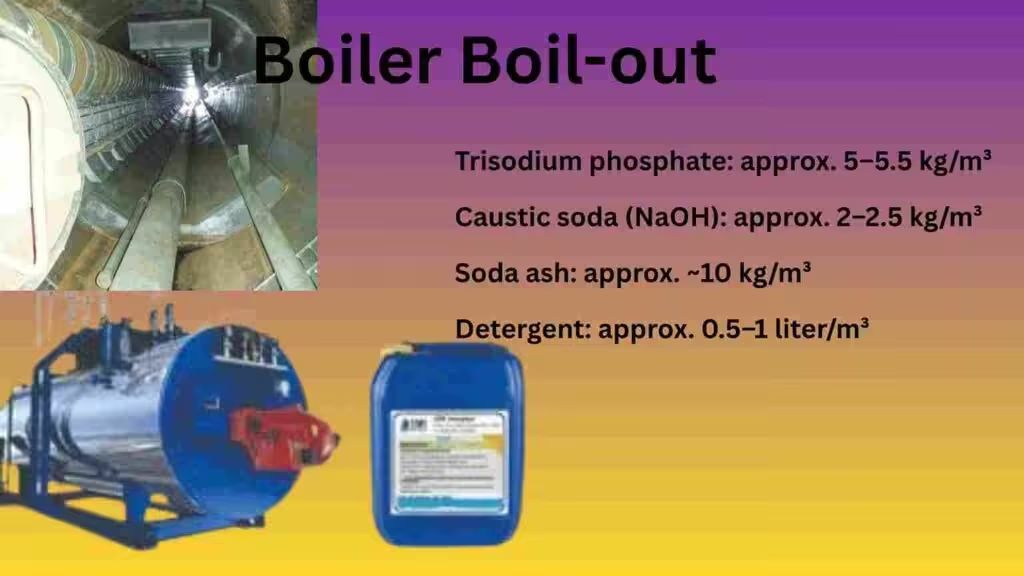
- Alkaline Chemicals (e.g., Caustic Soda, Soda Ash):
- Caustic soda (NaOH) increases alkalinity and helps dissolve oil, grease, and organic contaminants
- Soda ash (Na₂CO₃) supports alkalinity and reacts with impurities for easier removal
- Creates a highly alkaline environment to loosen and disperse deposits
- Phosphates (e.g., Trisodium Phosphate – TSP):
- Trisodium phosphate (Na₃PO₄) acts as a cleaning and buffering agent
- Converts hardness salts into soft sludge, preventing hard scale formation
- Helps in forming a thin protective layer on metal surfaces
- Detergents and Wetting Agents:
- Improve penetration of chemicals into oil and grease layers
- Emulsify and disperse contaminants into the boiler water
- Assist in suspending impurities for removal through blowdown
- Function of Each Chemical in Removing Contaminants:
- Alkaline chemicals → break down and dissolve oils, grease, and organic matter
- Phosphates → react with hardness ions and prevent scale formation
- Detergents → enhance cleaning efficiency by emulsifying and dispersing deposits
- Overall action → convert solid and sticky impurities into removable sludge
- Typical Dosing Guidelines (Based on Boiler Capacity):
- Trisodium phosphate: approx. 5–5.5 kg/m³ of boiler water
- Caustic soda (NaOH): approx. 2–2.5 kg/m³
- Soda ash: approx. ~10 kg/m³ (if used instead of or with TSP)
- Detergent: approx. 0.5–1 liter/m³
- Alternative dosing ranges may vary (e.g., 1500–5000 ppm TSP, depending on system design)
- Important Note:
- Exact chemical dosing should always be finalized based on boiler design, pressure level, and manufacturer or water treatment specialist recommendations.
V. Step-by-Step Boiler Boil-Out Procedure
1. Filling the Boiler
- Fill the boiler with demineralized (DM) or properly treated water
- Ensure all vents are open to release trapped air during filling
- Maintain normal water level in the steam drum
- Check for any leakage during filling
2. Chemical Dosing
- Add pre-calculated quantity of boil-out chemicals (alkali, phosphates, detergents)
- Dose chemicals through chemical dosing line or directly into drum (as per design)
- Ensure uniform mixing of chemicals in boiler water
- Start circulation (if circulation pumps/system available)
3. Initial Heating
- Start boiler firing at low load (slow firing rate)
- Increase temperature gradually to avoid thermal stress and metal distortion
- Keep vents open initially to remove dissolved gases
- Monitor expansion of boiler components
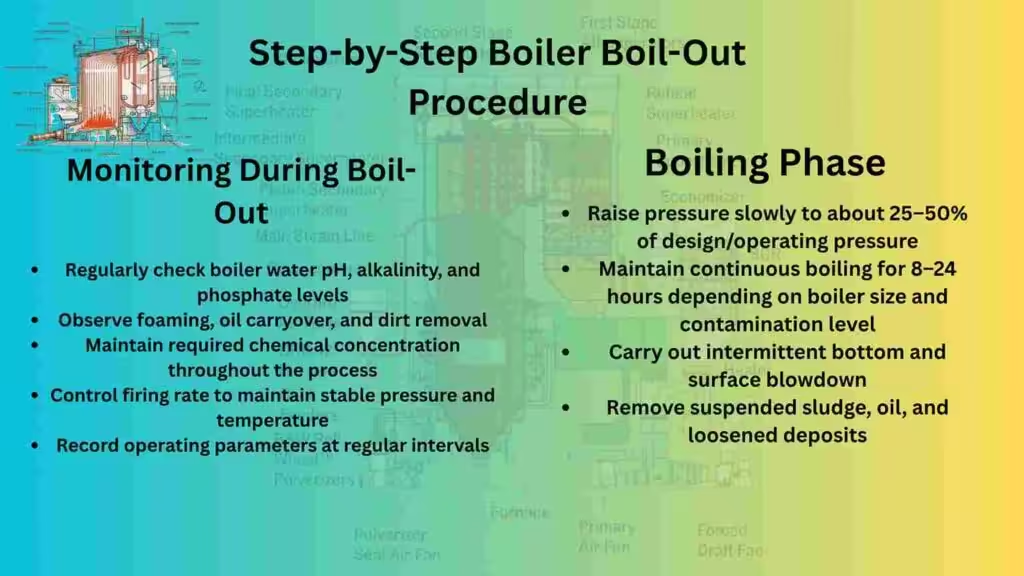
4. Boiling Phase
- Raise pressure slowly to about 25–50% of design/operating pressure
- Maintain continuous boiling for 8–24 hours, depending on boiler size and contamination level
- Carry out intermittent bottom and surface blowdown
- Remove suspended sludge, oil, and loosened deposits
5. Monitoring During Boil-Out
- Regularly check boiler water pH, alkalinity, and phosphate levels
- Observe foaming, oil carryover, and dirt removal
- Maintain required chemical concentration throughout the process
- Control firing rate to maintain stable pressure and temperature
- Record operating parameters at regular intervals
6. Blowdown and Draining
- Perform final blowdown to remove remaining sludge and contaminants
- Reduce pressure gradually before shutdown
- Drain boiler water while still warm/hot (as per procedure)
- Ensure safe disposal of contaminated water
7. Flushing and Rinsing
- Refill boiler with clean water and flush thoroughly
- Continue flushing until discharge water is clear and free of contaminants
- Repeat rinsing if required for complete cleanliness
- Prepare boiler for internal inspection or next step (passivation)
VI. Post Boil-Out Inspection
- Open the boiler drum and inspect inside carefully
- Check all tubes and internal parts for cleanliness
- Make sure there is no oil, grease, or dirt left behind
- Look for any unusual deposits or residue
- Confirm that the boil-out process has cleaned everything properly
- If everything looks clean and clear, the boil-out is successful
VII. Safety Precautions
- Always wear proper PPE like gloves, goggles, and protective clothing
- Handle chemicals carefully and follow safety instructions
- Keep the firing controlled to avoid overheating the boiler
- Ensure proper venting so pressure does not build up inside
- Dispose of waste and effluents safely to protect the environment
VIII. Common Problems and Troubleshooting
- Watch for excessive foaming or carryover during the process
- Check if cleaning is incomplete or some areas are still dirty
- Make sure the chemical dosing is correct (not too much or too little)
- If problems occur, identify the cause and take corrective action
- Follow proper procedures to prevent these issues in future
IX. Transition to Next Step (Passivation)
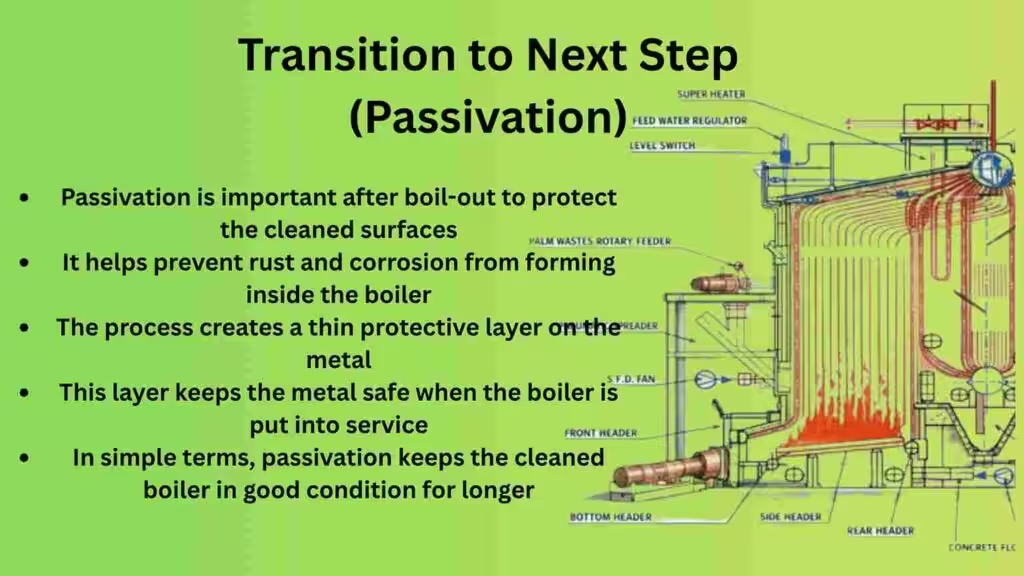
- Passivation is important after boil-out to protect the cleaned surfaces
- It helps prevent rust and corrosion from forming inside the boiler
- The process creates a thin protective layer on the metal
- This layer keeps the metal safe when the boiler is put into service
- In simple terms, passivation keeps the cleaned boiler in good condition for longer
X. Benefits of Proper Boiler Boil-Out
- Improves heat transfer, so the boiler works more efficiently
- Reduces maintenance needs and unexpected downtime
- Helps extend the overall life of the boiler
- Ensures safe and reliable operation of the system
XI. Conclusion
- Boil-out is an important step to clean the boiler before operation
- It ensures all oil, grease, and dirt are removed properly
- Following proper procedures and guidelines is very important
- Always stick to standard safety and operating practices
- It is recommended to have expert supervision during commissioning
- This helps ensure the boiler runs safely and efficiently