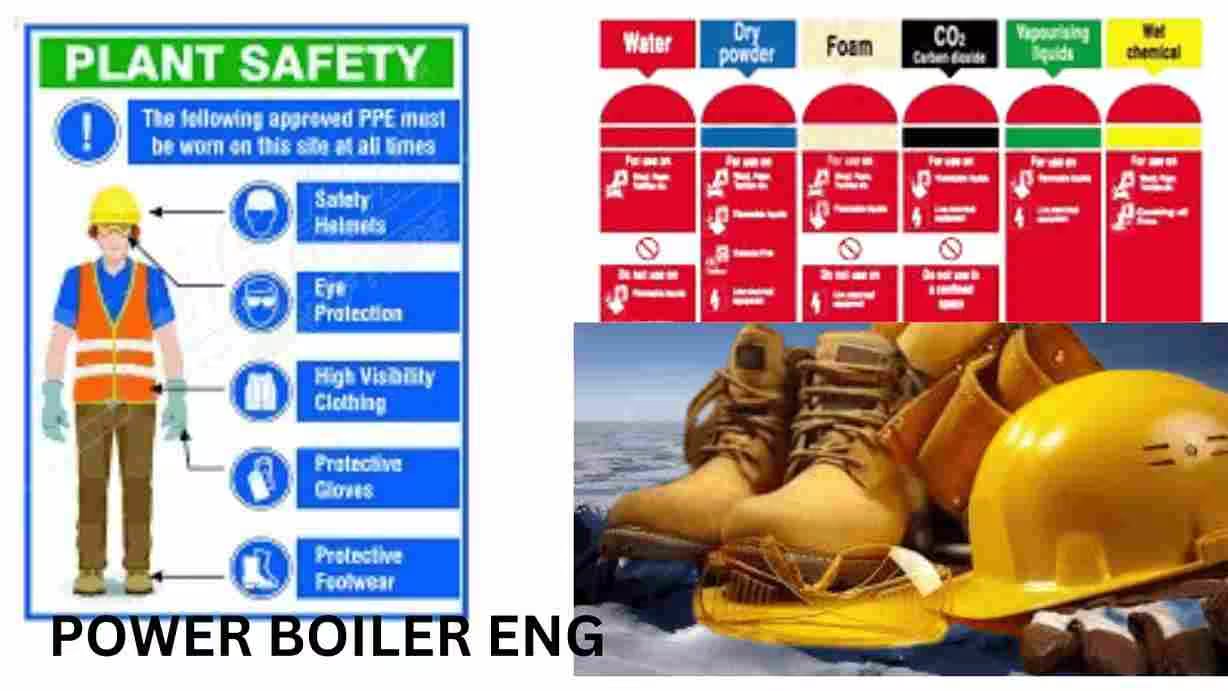
Safety in Process, Workplace & Industry
Understanding different types of safety in process is essential for maintaining a secure, efficient, and compliant working environment. Safety in process systems protects workers, equipment, and the environment from hazards and accidents.
Occupational Safety
Occupational safety in process focuses on protecting employees from workplace hazards and injuries. It includes proper use of personal protective equipment (PPE), safety training programs, and standard operating procedures (SOPs). A strong occupational safety system reduces accidents and improves productivity.
Key Benefits:
- Reduces workplace injuries
- Improves employee productivity
- Ensures legal compliance
Industrial Safety
Industrial safety is critical in factories, plants, and heavy industries. It involves machine safety, hazard identification, risk assessment, and accident prevention systems. Proper industrial safety management ensures smooth and safe operations.
Key Benefits:
- Prevents industrial accidents
- Protects machinery and assets
- Improves operational efficiency
Fire Safety
Fire safety is essential for preventing fire-related accidents in workplaces and industries. It includes fire detection systems, extinguishers, alarms, emergency exits, and fire drills.
Key Benefits:
- Prevents fire hazards
- Ensures emergency preparedness
- Saves lives and property
Electrical Safety
Electrical safety protects against shocks, short circuits, and electrical fires. It includes proper grounding, insulation, circuit protection devices, and safe wiring practices.
Key Benefits:
- Reduces electrical accidents
- Protects equipment
- Ensures system reliability
Chemical Safety
Chemical safety ensures safe handling, storage, and disposal of hazardous materials. It minimizes risks from toxic, flammable, and reactive substances in industrial environments.
Key Benefits:
- Prevents chemical exposure
- Improves workplace health
- Ensures safe storage practices
Process Safety
Process safety is used in high-risk industries like oil, gas, and chemical plants. It focuses on preventing large-scale incidents through pressure control systems, safety valves, and continuous monitoring.
Key Benefits:
- Prevents major industrial disasters
- Ensures system stability
- Enhances operational control
Mechanical Safety
Mechanical safety protects workers from moving machinery hazards. It includes machine guarding, lockout/tagout procedures, and emergency stop systems.
Key Benefits:
- Prevents machine-related injuries
- Improves equipment safety
- Enhances workplace control
Environmental Safety
Environmental safety focuses on reducing pollution and protecting natural resources. It includes waste management, emission control, and environmental compliance systems.
Key Benefits:
- Reduces environmental impact
- Ensures regulatory compliance
- Promotes sustainability